
Are steam cable ovens easy to operate?
As a supplier of Steam Cable Ovens, I've had the privilege of working closely with these remarkable pieces of equipment and witnessing their impact on various industries. A question that often arises among potential buyers is, "Are steam cable ovens easy to operate?" In this blog post, I'll delve into the operational aspects of steam cable ovens, exploring their features, benefits, and the overall user experience.
Understanding Steam Cable Ovens
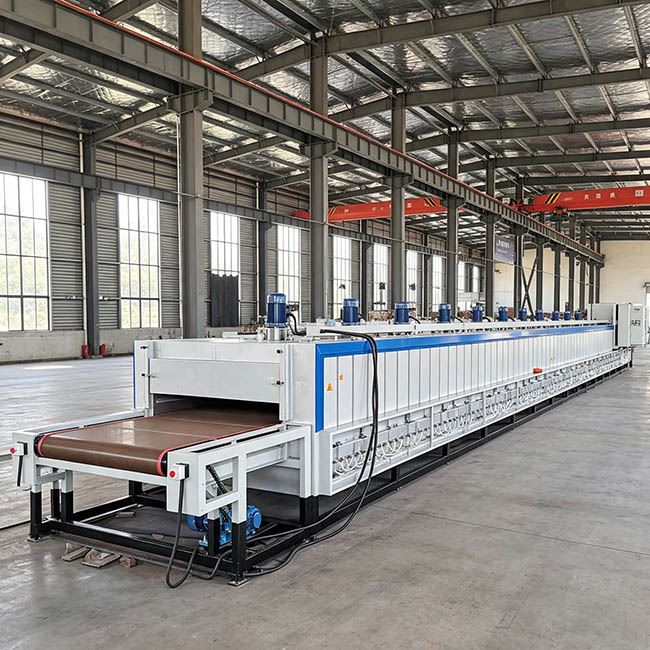
Steam cable ovens are specialized industrial ovens that utilize steam as a heat source. They are designed to provide precise and uniform heating, making them ideal for a wide range of applications, including drying, curing, preheating, and heat treatment. The steam is generated by a boiler and then circulated through a network of cables or pipes within the oven chamber, ensuring efficient heat transfer and consistent temperature distribution.
One of the key advantages of steam cable ovens is their ability to maintain a stable and controlled environment. This is particularly important in industries where product quality and consistency are critical, such as food processing, pharmaceuticals, and electronics manufacturing. By using steam as a heat source, these ovens can achieve high temperatures without the risk of overheating or burning the product, resulting in better quality and more reliable results.
Ease of Operation
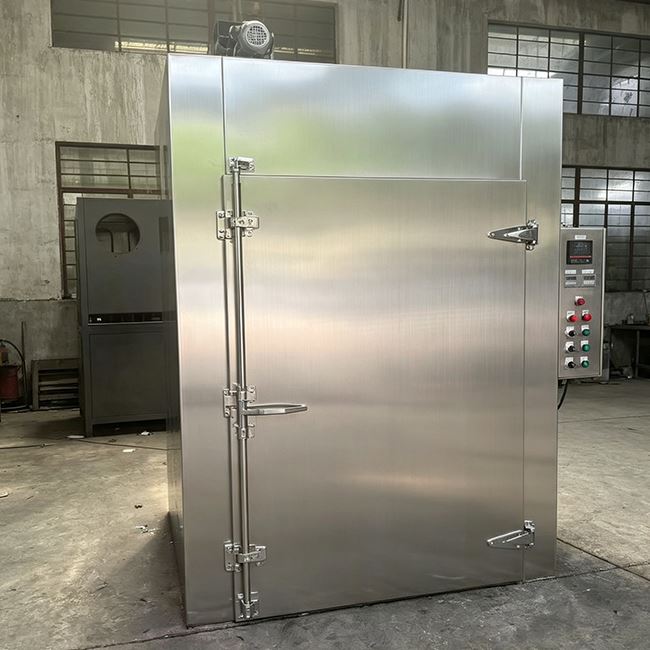
When it comes to ease of operation, steam cable ovens are designed with the user in mind. Most modern steam cable ovens are equipped with advanced control systems that allow operators to set and monitor the temperature, humidity, and other parameters with ease. These control systems are typically intuitive and user-friendly, with clear displays and simple controls that make it easy for operators to adjust the settings as needed.
In addition to their advanced control systems, steam cable ovens are also designed to be easy to install and maintain. They are typically modular in design, which means that they can be easily assembled and disassembled for installation or relocation. This makes them a cost-effective and flexible solution for businesses of all sizes.
Another factor that contributes to the ease of operation of steam cable ovens is their energy efficiency. Steam is a highly efficient heat transfer medium, which means that steam cable ovens can achieve high temperatures with less energy consumption than other types of ovens. This not only helps to reduce operating costs but also makes them a more environmentally friendly option.
Safety Features
Safety is always a top priority in any industrial setting, and steam cable ovens are no exception. These ovens are typically equipped with a range of safety features, including temperature sensors, pressure relief valves, and emergency stop buttons, to ensure the safety of operators and prevent accidents.
In addition to these standard safety features, many steam cable ovens are also designed with additional safety features, such as automatic shut-off systems and alarms, to provide an extra layer of protection. These features help to ensure that the oven operates safely and reliably, even in the event of a malfunction or emergency.
Applications
Steam cable ovens are used in a wide range of industries, including food processing, pharmaceuticals, electronics manufacturing, and automotive. In the food processing industry, these ovens are used for drying, baking, and roasting a variety of products, such as fruits, vegetables, meats, and grains. In the pharmaceutical industry, they are used for drying and sterilizing medications and medical devices. In the electronics manufacturing industry, they are used for curing and soldering electronic components. And in the automotive industry, they are used for preheating and heat treating automotive parts.
One of the key advantages of steam cable ovens is their versatility. They can be customized to meet the specific needs of different industries and applications, making them a popular choice for businesses of all sizes. Whether you need a small, compact oven for a laboratory or a large, industrial-scale oven for a manufacturing plant, there is a steam cable oven that is right for you.
Comparison with Other Types of Ovens
When considering a steam cable oven, it's important to compare it with other types of ovens to determine which one is the best fit for your needs. Some of the other types of ovens that are commonly used in industrial applications include Electric Drying Oven, Mesh Belt Drying Oven, Roller Drying Oven, Steam-heated Vacuum Oven, and Mould Preheating Oven.
Each type of oven has its own advantages and disadvantages, and the choice of oven will depend on a variety of factors, including the specific application, the required temperature and humidity levels, the size and capacity of the oven, and the budget. In general, steam cable ovens are a good choice for applications that require precise and uniform heating, as well as for applications that involve the processing of sensitive or delicate materials.
Conclusion
In conclusion, steam cable ovens are a reliable, efficient, and easy-to-operate option for a wide range of industrial applications. Their advanced control systems, energy efficiency, and safety features make them a popular choice for businesses of all sizes, while their versatility and customization options allow them to meet the specific needs of different industries and applications.
If you are considering purchasing a steam cable oven for your business, I encourage you to contact us to learn more about our products and services. Our team of experts can help you select the right oven for your needs and provide you with the support and guidance you need to ensure its successful installation and operation. We look forward to working with you to help you achieve your business goals.
References
- ASME Boiler and Pressure Vessel Code
- European Union Machinery Directive
- ISO 9001:2015 Quality Management System Standard