

The curing time in a curing furnace is a critical parameter that significantly influences the quality and performance of the products being cured. As a leading supplier of Curing Furnace, we understand the importance of this factor and are dedicated to providing our customers with in-depth knowledge and optimal solutions.
Understanding the Concept of Curing Time
Curing is a process in which a material undergoes a chemical or physical change under the influence of heat. The curing time refers to the duration required for a material to fully cure within the curing furnace. This time is not only related to the material itself but also to various factors such as the temperature inside the furnace, the type of curing mechanism, and the size and shape of the product.
For thermosetting polymers, for example, curing involves a cross - linking reaction that transforms the material from a viscous liquid or a soft solid into a hard and rigid state. The curing time is the period during which this cross - linking reaction progresses to a sufficient degree to achieve the desired mechanical properties, such as hardness, strength, and chemical resistance.
Factors Affecting Curing Time
Material Properties
Different materials have different curing requirements. Some polymers have a fast - curing nature and can reach the desired state within a short period, while others may require a longer time. For instance, epoxy resins may have curing times that range from a few minutes to several hours, depending on their formulation. The molecular structure of the material, the presence of curing agents or accelerators, and the reactivity of the chemical groups all play a role in determining the curing time.
Furnace Temperature
Temperature is one of the most crucial factors affecting curing time. According to the Arrhenius equation, the reaction rate increases exponentially with an increase in temperature. In a curing furnace, a higher temperature can speed up the curing reaction, thereby reducing the curing time. However, it is important to note that excessive temperature can also lead to negative effects, such as thermal degradation of the material, uneven curing, or the formation of internal stresses in the product. Therefore, it is necessary to find an optimal temperature for each material to ensure both efficient curing and high - quality products.
Product Size and Shape
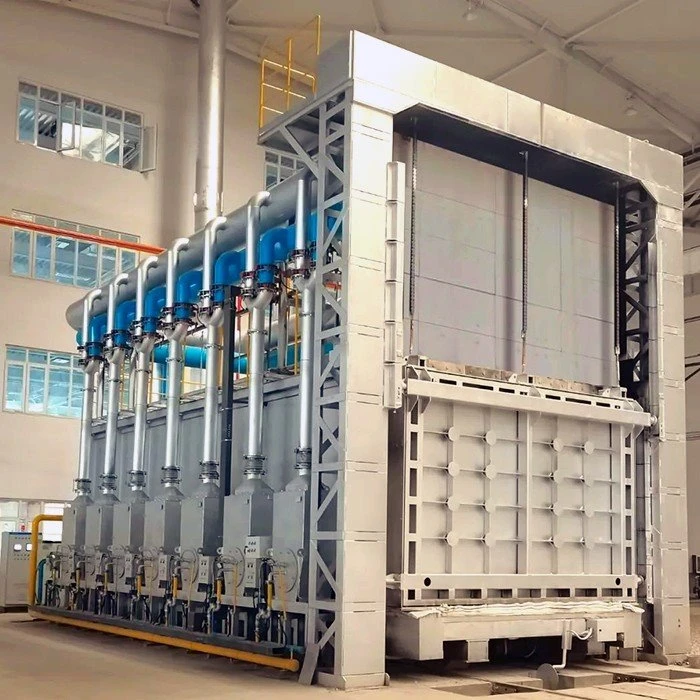
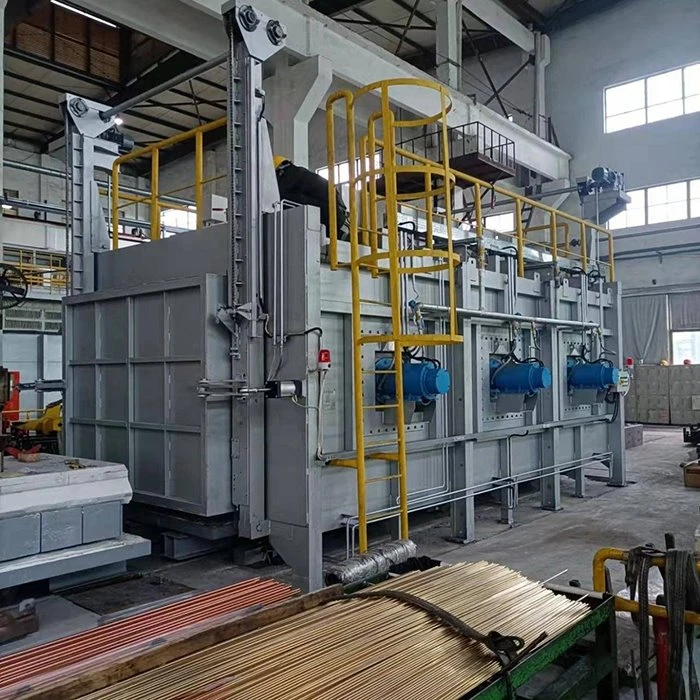
The size and shape of the product being cured also impact the curing time. Larger products require more time to heat up evenly throughout their volume, and the heat transfer rate may be slower in thick - walled or complex - shaped products. This means that the curing reaction may progress at a different rate in different parts of the product, potentially leading to uneven curing. To address this issue, our Curing Furnace is designed with advanced heating and airflow systems to ensure uniform temperature distribution, regardless of the product's size and shape.
Airflow and Ventilation
Proper airflow and ventilation within the curing furnace are essential for efficient curing. Good airflow helps to remove volatile by - products generated during the curing process, which can otherwise affect the quality of the cured product. It also ensures uniform temperature distribution by facilitating heat transfer. Our curing furnaces are equipped with high - performance fans and ventilation systems to maintain an optimal environment for curing.
Measuring and Controlling Curing Time
Accurately measuring and controlling the curing time is crucial for ensuring consistent product quality. In our curing furnaces, we use advanced sensors and control systems to monitor the temperature, time, and other relevant parameters. These sensors provide real - time data, which can be used to adjust the curing process as needed.
One common method for measuring curing time is through the use of cure monitors. These devices can be placed inside the product or the furnace to detect the changes in the material's properties, such as viscosity or electrical conductivity, during the curing process. Based on the data collected by the cure monitors, the control system can determine the optimal curing time and adjust the temperature and other parameters accordingly.
Importance of Optimizing Curing Time
Optimizing the curing time offers several benefits. Firstly, it improves productivity. By reducing the curing time without compromising the quality of the product, manufacturers can increase their production capacity and meet market demand more efficiently. Secondly, it reduces energy consumption. A shorter curing time means that the furnace needs to operate for a shorter period, resulting in lower energy costs. Finally, it enhances product quality. By ensuring that the product is cured for the right amount of time, manufacturers can achieve consistent and high - quality products with better mechanical and chemical properties.
Comparison with Other Industrial Furnaces
In the industrial heating field, there are various types of furnaces, each with its own unique functions and applications. Let's briefly compare the curing furnace with other common industrial furnaces, such as the Industrial Heating Furnace, Industrial Quenching Furnace, Heat Treatment Annealing Furnace, and Industrial Tempering Furnace.
The Industrial Heating Furnace is a general - purpose furnace used for heating materials to a specific temperature for various processes, such as melting, forging, or soldering. Unlike the curing furnace, its main goal is not to initiate a chemical curing reaction but rather to raise the temperature of the material.
The Industrial Quenching Furnace is used to heat materials to a high temperature and then rapidly cool them to achieve specific mechanical properties, such as hardness. The quenching process is very different from the curing process in terms of the heat - treatment mechanism and the resulting material properties.
The Heat Treatment Annealing Furnace is used to relieve internal stresses in materials and improve their ductility. Annealing typically involves heating the material to a specific temperature and then slowly cooling it, which is a different process from the curing reaction in a curing furnace.
The Industrial Tempering Furnace is used to reduce the brittleness of materials after quenching and to improve their toughness. Similar to the other furnaces mentioned above, the tempering process has a different purpose and mechanism compared to the curing process.
Conclusion and Call to Action
In conclusion, the curing time in a curing furnace is a complex and critical factor that depends on multiple variables. As a professional Curing Furnace supplier, we have the expertise and technology to help you optimize the curing process for your specific needs. Our curing furnaces are designed to provide precise temperature control, uniform airflow, and reliable performance, ensuring that you can achieve high - quality cured products in the most efficient way.
If you are interested in learning more about our curing furnaces or need assistance in determining the optimal curing time for your products, we welcome you to reach out to us for a consultation and potential procurement. We are committed to providing you with the best solutions and outstanding customer service.
References
- Callister, W. D., & Rethwisch, D. G. (2018). Materials Science and Engineering: An Introduction. Wiley.
- Scheirs, J. (Ed.). (2000). Modern Polyesters: Chemistry and Technology of Polyesters and Copolyesters. Wiley.
- Van Krevelen, D. W., & Te Nijenhuis, K. (2009). Properties of Polymers: Their Correlation with Chemical Structure; Their Numerical Estimation and Prediction from Additive Group Contributions. Elsevier.