

Product Introduction
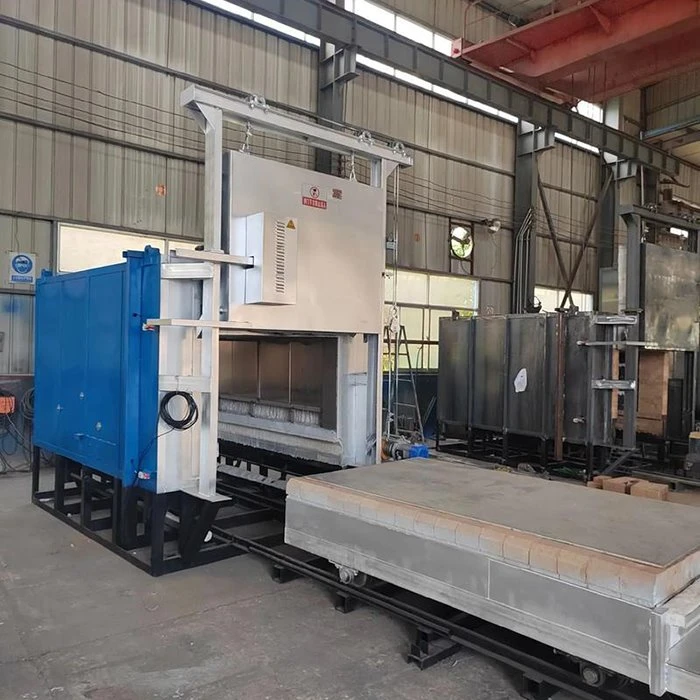
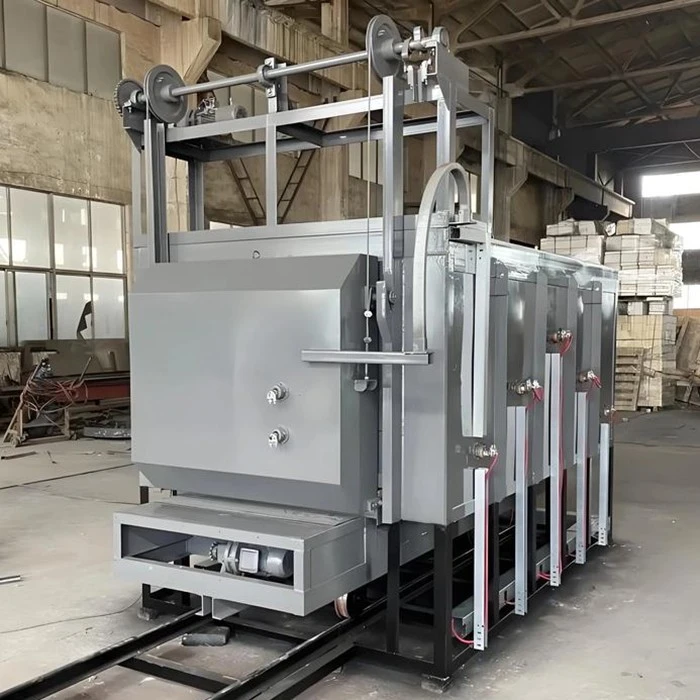
Industrial Tempering Furnaces are periodic operation equipment used for tempering metal parts and quenching, annealing, and aging heat treatment of light alloy parts.


Working principle
Heat is generated by heating elements to raise the metal material to the required tempering temperature. Common heating elements include resistance wires, electromagnetic coils, or burners. The heating elements are typically located above or to the side of the Industrial Tempering Furnace, evenly transferring heat to the metal material.
Features
Precise Temperature Control: Segmented temperature control at low, medium, and high temperatures with minimal temperature differences, ensuring uniform hardness.
Gentle Heating: Slow heating without rapid temperature fluctuations, preventing workpiece deformation and cracking.
Long-lasting Heat Retention: Long-term constant temperature fully releases internal stress.
Slow Cooling: Slow cooling within the furnace avoids secondary stress, ensuring dimensional stability of the workpiece.
Low Oxidation: Most models are sealed with nitrogen protection, preventing workpieces from rusting and decarburizing.
Product Classification
270℃~350℃ Embrittlement: Also known as low-temperature tempering embrittlement, mostly occurs in carbon steel and low-alloy steel.
400℃~550℃ Embrittlement: Structural alloy steels are prone to embrittlement in this temperature range.
475℃ Embrittlement: Specifically refers to ferrous stainless steels with a chromium content exceeding 13%. Tempering between 400℃ and 550℃ results in increased hardness and embrittlement, particularly noticeable around 475℃.
500℃~570℃ Embrittlement: Commonly seen in machined tool steels, high-speed steels, etc. At this temperature, carbides precipitate, causing secondary hardening, but also increasing brittleness.
Applications
- Softening Metals: Tempering is a heat treatment process that reduces the hardness and strength of metals.
- Immersion and Surface Coating: Heat treatment of metals before surface coating makes them more absorbent of the coating material.
- Stress Relief: Stress can develop in metals during processing or after welding.
- Metal Quenching: Industrial Tempering Furnaces help control and regulate the quenching speed and temperature of metals.
Hot Tags: industrial tempering furnace, China industrial tempering furnace manufacturers, suppliers, factory


