
When it comes to choosing an oven for your specific needs, one of the most critical factors to consider is energy consumption. As a supplier of Steam Cable Ovens, I've witnessed firsthand the growing demand for energy - efficient appliances. In this blog, I'll delve into how the energy consumption of a steam cable oven stacks up against other types of ovens.
Understanding Steam Cable Ovens
A steam cable oven is a versatile piece of equipment that combines the use of steam and electrical cables to generate heat. The steam plays a crucial role in providing a moist cooking environment, which helps in cooking food more evenly and reduces the risk of burning. The electrical cables, on the other hand, ensure that the oven reaches and maintains the desired temperature.
The unique design of a steam cable oven allows for better heat distribution. The steam acts as a conductor, transferring heat more efficiently throughout the oven cavity. This means that the oven can achieve the same cooking results with less energy compared to some traditional ovens.
Comparing with Conventional Electric Ovens
Conventional electric ovens rely solely on electrical heating elements to generate heat. These elements are usually located at the top and bottom of the oven cavity. When the oven is turned on, the elements heat up, and the heat radiates through the air to cook the food.
One of the main drawbacks of conventional electric ovens is their uneven heat distribution. Hot spots can form near the heating elements, which may lead to over - cooking in some areas and under - cooking in others. To compensate for this, the oven often needs to run at a higher temperature for a longer period, consuming more energy.
In contrast, steam cable ovens use steam to distribute heat more evenly. This results in a more efficient cooking process, as the food can be cooked at a lower temperature for a shorter time. For example, when baking a loaf of bread, a conventional electric oven might need to run at 375°F (190°C) for 30 minutes, while a steam cable oven could achieve the same result at 350°F (175°C) in 25 minutes, saving both time and energy.
Gas Ovens and Their Energy Profile
Gas ovens are another popular choice in many kitchens. They use natural gas or propane as a fuel source to generate heat. Gas ovens are known for their quick pre - heating times, as gas burns rapidly and releases a large amount of heat.
However, gas ovens also have their limitations in terms of energy efficiency. The combustion process in gas ovens is not always 100% efficient, and some of the heat is lost through the exhaust. Additionally, gas ovens can be more difficult to control precisely compared to steam cable ovens. The flame in a gas oven can fluctuate, which may require the user to adjust the temperature settings more frequently.
Steam cable ovens, with their precise temperature control and efficient heat distribution, can offer better energy savings in the long run. For continuous cooking operations, the consistent performance of a steam cable oven can lead to significant energy cost reductions.
Convection Ovens and Energy Use
Convection ovens are equipped with a fan that circulates hot air inside the oven cavity. This circulation of air helps in cooking food faster and more evenly compared to conventional ovens. Convection ovens are often seen as an energy - saving option because they can cook food at a lower temperature in less time.
But when compared to steam cable ovens, the picture becomes more complex. While convection ovens do have a fan - assisted advantage, they still rely on dry heat. In some cases, dry heat can cause food to dry out more quickly, which may lead to over - cooking and the need to adjust the cooking time or temperature.
Steam cable ovens, with their moist cooking environment, can prevent food from drying out. This means that the oven doesn't have to work as hard to maintain the right cooking conditions, resulting in reduced energy consumption. For instance, when roasting a chicken, a convection oven might need to run at 400°F (205°C) for 45 minutes, while a steam cable oven could roast the chicken at 375°F (190°C) in 40 minutes and still keep the meat moist and tender.
Energy - Saving Features of Steam Cable Ovens
In addition to their efficient heat distribution, steam cable ovens come with several energy - saving features. Many modern steam cable ovens are equipped with advanced insulation materials. These materials help to keep the heat inside the oven cavity, reducing the amount of heat that escapes to the surrounding environment.
Some steam cable ovens also have programmable settings. Users can set the oven to turn on and off at specific times, adjust the temperature based on the type of food being cooked, and even select different cooking modes. This level of customization allows for more precise control of energy usage. For example, if you're only cooking a small batch of cookies, you can set the oven to a lower temperature and shorter cooking time, saving energy in the process.
Applications and Energy Considerations
The energy consumption of an oven can also vary depending on its application. For industrial settings, such as bakeries and restaurants, the choice of oven can have a significant impact on operating costs.
In a bakery, a steam cable oven can be a more energy - efficient option compared to other ovens for producing bread and pastries. The steam helps in creating a crispy crust while keeping the inside soft and moist. This reduces the need for high - temperature, long - duration baking, which in turn saves energy.
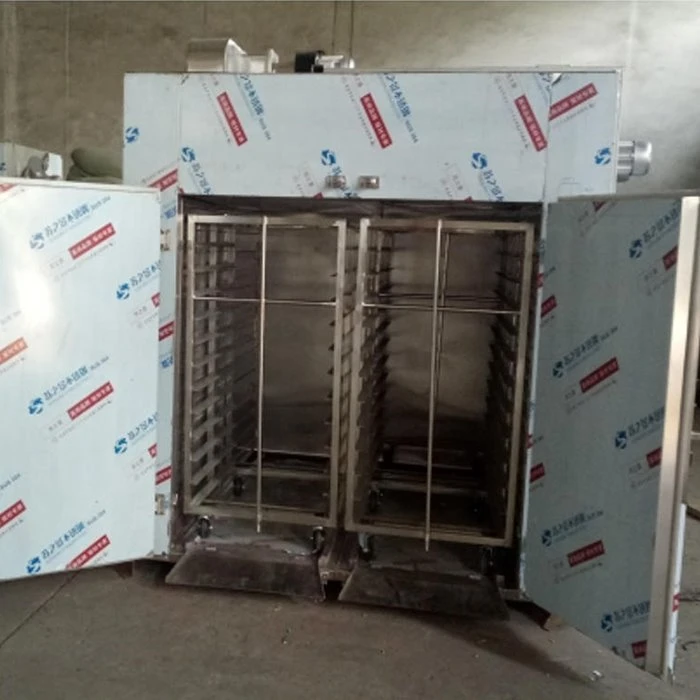
For food drying applications, our Food Drying Oven also offers an efficient solution. While traditional drying ovens may use a large amount of energy to remove moisture from food, our steam cable - based food drying ovens can utilize the steam to assist in the drying process, reducing overall energy consumption.
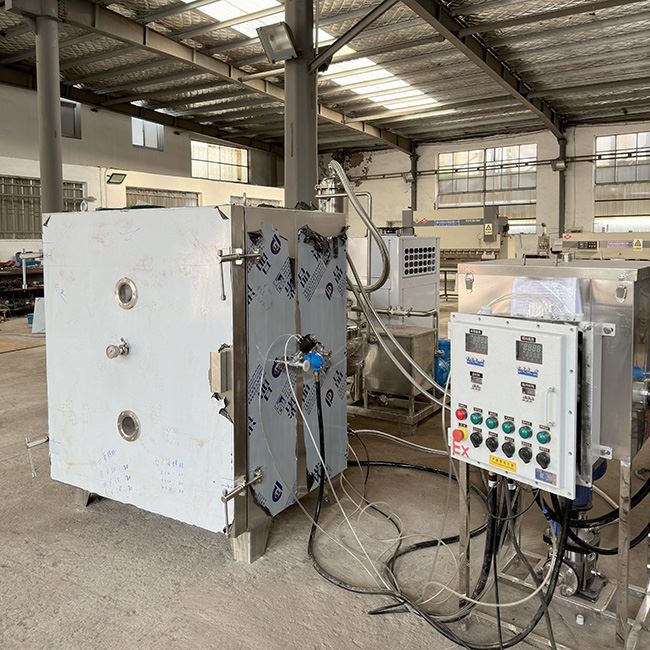
In industrial processes where explosion - proof requirements exist, our Explosion - proof Vacuum Box, Explosion - proof Drying Oven, and Explosion - proof Vacuum Drying Box are designed with energy efficiency in mind. The use of steam cable technology helps to optimize the heating process, ensuring that the ovens meet safety standards while consuming less energy.
Similarly, for curing applications, our Curing Drying Oven provides an energy - efficient alternative. The steam in the oven helps in creating a more consistent curing environment, which can reduce the curing time and energy consumption.
Conclusion and Call to Action
In conclusion, steam cable ovens offer a more energy - efficient alternative to many other types of ovens. Their unique combination of steam and electrical cables, along with their efficient heat distribution and advanced features, result in lower energy consumption and cost savings.
If you're in the market for an oven, whether it's for a commercial kitchen, industrial process, or home use, I encourage you to consider our steam cable ovens. The energy savings over time can be substantial, making it a wise investment.
If you have any questions or would like to discuss your specific requirements, feel free to reach out. We're here to help you make the best decision for your needs.
References
- "Energy Efficiency in Ovens: A Comparative Study" - Journal of Appliance Technology
- "The Science of Steam Cooking" - Food Science Review
- "Industrial Oven Design and Energy Consumption" - Industrial Engineering Magazine