
As a seasoned supplier of Thermal Oil Ovens, I've witnessed firsthand the critical role that burners play in the overall performance and longevity of these systems. Burners are the heart of a thermal oil oven, responsible for generating the heat necessary to maintain the desired temperature of the thermal oil. However, like any mechanical component, burners require regular maintenance to ensure optimal operation, efficiency, and safety. In this blog post, I'll share some essential maintenance tips for the burner in a thermal oil oven.
Regular Inspection
Regular inspections are the cornerstone of burner maintenance. By conducting routine checks, you can identify potential issues early on and take proactive measures to prevent costly breakdowns. Here are some key areas to inspect:
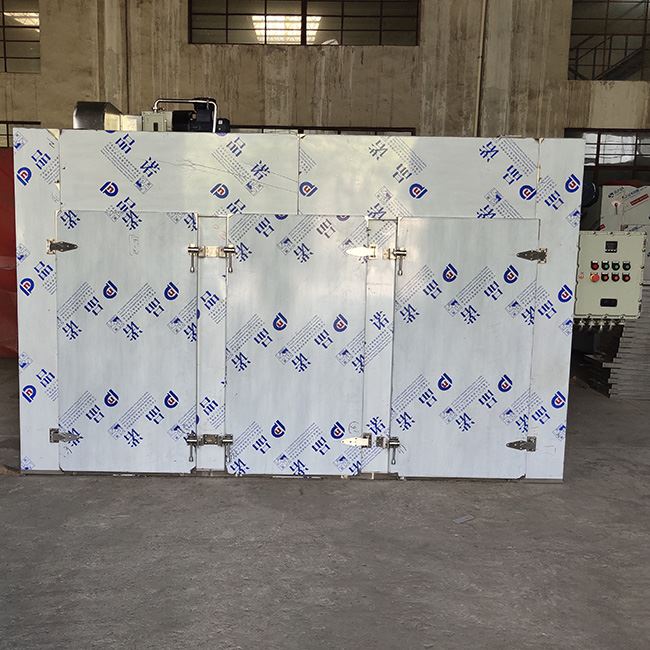
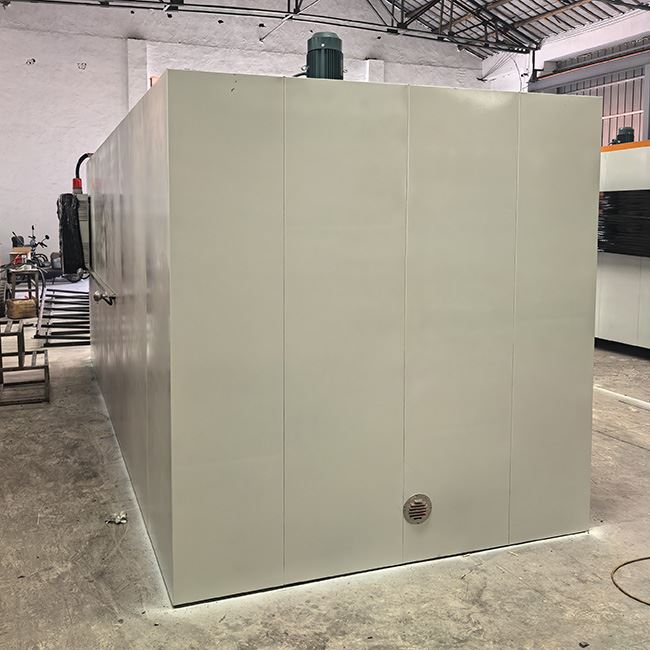
- Flame Appearance: A healthy flame should be stable, blue, and well-defined. If the flame is yellow, flickering, or has an irregular shape, it could indicate a problem with the fuel-air mixture, burner nozzle, or ignition system.
- Fuel Supply: Check the fuel supply line for any signs of leaks, blockages, or damage. Ensure that the fuel filter is clean and functioning properly. A clogged fuel filter can restrict the flow of fuel to the burner, leading to poor combustion and reduced efficiency.
- Air Intake: The air intake of the burner should be free of debris, dust, and obstructions. A blocked air intake can disrupt the fuel-air mixture, causing incomplete combustion and the formation of carbon monoxide.
- Ignition System: Inspect the ignition system for any signs of wear or damage. Check the spark plug, ignition transformer, and ignition cables for proper operation. A faulty ignition system can prevent the burner from starting or cause intermittent ignition problems.
Cleaning and Lubrication
Regular cleaning and lubrication are essential for maintaining the performance and reliability of the burner. Here are some cleaning and lubrication tasks to perform:
- Burner Nozzle: The burner nozzle can become clogged with carbon deposits, dust, or debris over time. Clean the burner nozzle regularly using a soft brush or compressed air to remove any build-up. A clogged burner nozzle can affect the fuel spray pattern, leading to poor combustion and reduced efficiency.
- Air Filter: The air filter of the burner should be cleaned or replaced regularly to ensure proper airflow. A dirty air filter can restrict the flow of air to the burner, causing incomplete combustion and reduced efficiency.
- Fan and Blower: The fan and blower of the burner should be cleaned and lubricated regularly to ensure smooth operation. Check the fan blades for any signs of damage or wear, and lubricate the bearings according to the manufacturer's recommendations.
- Control Valves: The control valves of the burner, such as the fuel control valve and air control valve, should be cleaned and inspected regularly to ensure proper operation. A faulty control valve can affect the fuel-air mixture, causing poor combustion and reduced efficiency.
Combustion Tuning
Combustion tuning is the process of adjusting the burner to achieve the optimal fuel-air mixture for efficient and clean combustion. Proper combustion tuning can improve the efficiency of the burner, reduce fuel consumption, and minimize emissions. Here are some steps to follow for combustion tuning:
- Check the Fuel-Air Ratio: Use a combustion analyzer to measure the fuel-air ratio of the burner. The ideal fuel-air ratio for natural gas burners is typically around 10:1, while the ideal ratio for oil burners is around 14:1. Adjust the fuel control valve and air control valve as needed to achieve the desired fuel-air ratio.
- Adjust the Burner Settings: The burner settings, such as the ignition timing, flame height, and burner pressure, should be adjusted according to the manufacturer's recommendations. Improper burner settings can affect the fuel-air mixture, causing poor combustion and reduced efficiency.
- Monitor the Combustion Process: Continuously monitor the combustion process using a combustion analyzer to ensure that the burner is operating at peak efficiency. Make adjustments to the burner settings as needed to maintain the optimal fuel-air mixture and minimize emissions.
Safety Checks
Safety is of utmost importance when it comes to burner maintenance. Here are some safety checks to perform regularly:
- Flame Safeguard System: The flame safeguard system is a critical safety feature of the burner that ensures the burner shuts off automatically if the flame goes out. Test the flame safeguard system regularly to ensure that it is functioning properly.
- Pressure Relief Valve: The pressure relief valve is a safety device that prevents the pressure in the thermal oil oven from exceeding the maximum allowable limit. Check the pressure relief valve regularly to ensure that it is functioning properly and set at the correct pressure.
- Gas Leak Detection: Use a gas leak detector to check for any gas leaks in the fuel supply line, burner, and oven. If a gas leak is detected, immediately shut off the fuel supply and contact a qualified technician for repair.
- Emergency Stop Button: The emergency stop button is a critical safety feature of the thermal oil oven that allows you to shut off the burner and the oven in case of an emergency. Test the emergency stop button regularly to ensure that it is functioning properly.
Professional Maintenance
While regular maintenance tasks can be performed by the operator or maintenance personnel, it is recommended to have the burner in a thermal oil oven professionally maintained at least once a year. A qualified technician can perform a comprehensive inspection, cleaning, and tuning of the burner, as well as check for any potential safety issues. Professional maintenance can help ensure the safe and efficient operation of the burner, as well as extend its lifespan.
In conclusion, proper maintenance of the burner in a thermal oil oven is essential for ensuring optimal performance, efficiency, and safety. By following the tips outlined in this blog post, you can keep your burner in top condition and avoid costly breakdowns. If you have any questions or need further assistance with burner maintenance, please don't hesitate to contact us. We are a leading supplier of Thermal Oil Ovens and can provide you with the professional support and services you need to keep your oven running smoothly.
If you're interested in our other oven products, you can visit the following links: Explosion-proof Drying Oven, Natural Gas Drying Oven, Tunnel Drying Oven, Explosion-proof Oven, Hot Air Circulation Oven.
If you're considering purchasing a thermal oil oven or need to discuss your specific requirements, we invite you to reach out to us. Our team of experts is ready to assist you in finding the perfect solution for your industrial heating needs.
References
- "Industrial Burner Maintenance Guide," Industrial Heating Equipment Association
- "Thermal Oil Oven Operation and Maintenance Manual," Manufacturer's Documentation