

Dust accumulation in an explosion-proof drying oven can pose significant risks, including reduced efficiency, equipment damage, and potential safety hazards. As a reliable supplier of explosion-proof drying ovens, we understand the importance of preventing dust accumulation to ensure the proper functioning and longevity of the equipment. In this blog post, we will explore several effective measures to prevent dust accumulation in an explosion-proof drying oven.
Regular Cleaning and Maintenance
Regular cleaning is the most fundamental measure to prevent dust from building up in the drying oven. The cleaning frequency depends on various factors, such as the operating environment, the type of materials being dried, and the usage intensity. For ovens used in dusty environments or those often processing materials that generate a lot of dust, a daily or weekly cleaning schedule might be necessary.
When cleaning the interior of the oven, start by turning off the power and allowing the oven to cool down completely. Then, use a soft brush or a vacuum cleaner with a soft nozzle attachment to gently remove loose dust from the oven walls, shelves, and other surfaces. Make sure to reach all the corners and crevices where dust can accumulate. For more stubborn dirt, you can use a mild detergent and a damp cloth to wipe the surfaces, but be careful not to get the electrical components wet.
Exterior cleaning is also important. Wipe down the outer surfaces of the oven to remove dust and debris that can accumulate over time. Pay attention to the ventilation openings on the outside to ensure they are not blocked by dust, as proper ventilation is crucial for the oven's performance.
In addition to regular cleaning, a comprehensive maintenance schedule should be established. This includes checking and replacing air filters at regular intervals. Air filters play a vital role in capturing dust particles before they enter the oven's internal components. If the filters are clogged, they will not be able to perform their function effectively, leading to dust accumulation inside the oven. Refer to the oven's user manual for the recommended filter replacement cycle.
Optimize the Airflow System
The airflow system in an explosion-proof drying oven is designed to circulate hot air evenly and remove moisture. However, if the airflow is not properly optimized, it can lead to dust settling in certain areas of the oven. One way to optimize the airflow is to ensure that the vents and ducts are clean and unobstructed. Regularly inspect the vents for any signs of blockage, such as dust clumps or debris. If you find any blockages, carefully remove them to restore proper airflow.
Another aspect of optimizing the airflow is to adjust the fan settings. Make sure the fans are operating at the correct speed to create a consistent and balanced airflow throughout the oven. In some cases, the oven may have adjustable vents or dampers that can be used to control the direction and volume of the airflow. Experiment with these settings to find the optimal configuration that minimizes dust accumulation.
Proper placement of the oven can also affect the airflow. Avoid placing the oven in a cramped space or near objects that can block the intake or exhaust vents. Leave sufficient clearance around the oven to allow for proper air circulation.
Use Dust-Resistant Materials
When selecting the materials for the construction of the explosion-proof drying oven, it is advisable to choose dust-resistant options. For example, stainless steel is a popular choice for the interior of the oven because it is smooth, non-porous, and easy to clean. Dust is less likely to adhere to stainless steel surfaces compared to rough or porous materials.
The shelves and trays inside the oven should also be made of dust-resistant materials. Some ovens come with removable and washable shelves, which makes it easier to keep them clean. Additionally, consider using materials that are electrostatically neutral or have low static electricity generation. Static electricity can attract dust particles, so minimizing static can help prevent dust accumulation.
Install Dust Collection Devices
Installing dust collection devices is an effective way to capture dust particles before they enter the explosion-proof drying oven. A pre-filter can be installed at the air intake of the oven to trap large dust particles. These pre-filters are relatively inexpensive and easy to replace, and they can significantly reduce the amount of dust that reaches the oven's internal components.
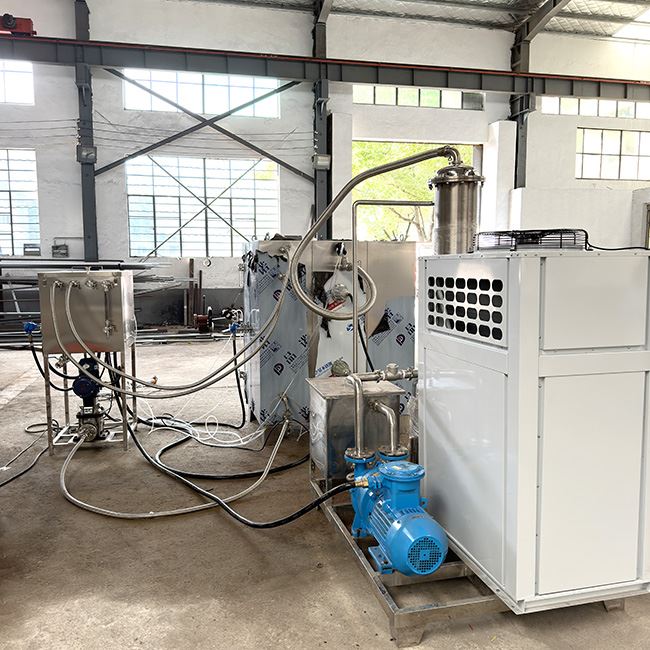
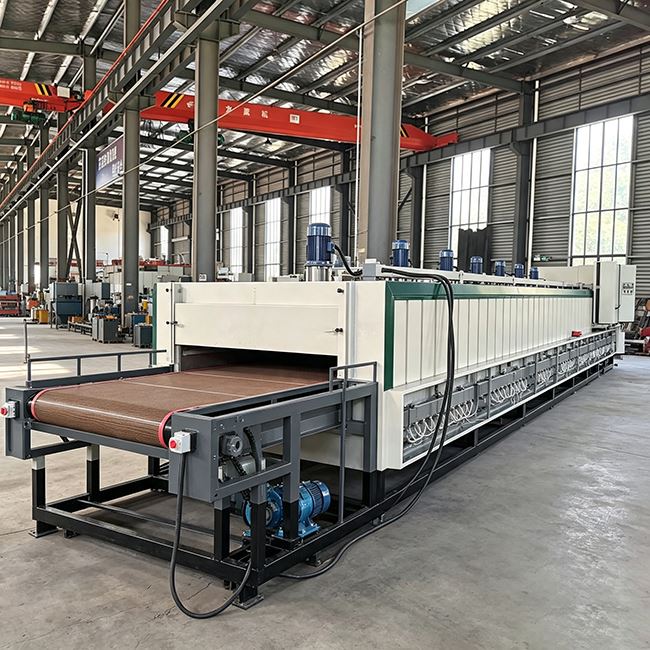
For more advanced dust collection, a cyclone separator or a baghouse filter can be used. A cyclone separator uses centrifugal force to separate dust particles from the air. The dust particles are then collected in a hopper at the bottom of the separator. A baghouse filter consists of a series of fabric bags that trap dust particles as the air passes through them. These devices are more suitable for high-dust environments or when dealing with fine dust particles.
Control the Operating Environment
The operating environment of the explosion-proof drying oven can have a significant impact on dust accumulation. Keep the area around the oven clean and free of dust. If possible, install a dust control system in the room where the oven is located. This can include air purifiers, vacuum cleaners with HEPA filters, or even a dedicated dust extraction system.
Maintain a stable temperature and humidity level in the operating environment. High humidity can cause dust particles to clump together and become more difficult to remove, while low humidity can increase static electricity, which attracts dust. Use a dehumidifier or a humidifier as needed to keep the humidity within the recommended range.
Employee Training
Proper employee training is essential for preventing dust accumulation in the explosion-proof drying oven. Train employees on the importance of keeping the oven clean and the correct procedures for cleaning and maintenance. Make sure they understand how to operate the oven safely and how to recognize signs of dust accumulation or other potential problems.
Provide employees with the necessary tools and equipment for cleaning, such as soft brushes, vacuum cleaners, and cleaning agents. Encourage them to report any issues or abnormalities with the oven immediately so that they can be addressed promptly.
Conclusion
Preventing dust accumulation in an explosion-proof drying oven is crucial for ensuring its safe and efficient operation. By implementing the measures outlined in this blog post, including regular cleaning and maintenance, optimizing the airflow system, using dust-resistant materials, installing dust collection devices, controlling the operating environment, and providing employee training, you can significantly reduce the risk of dust-related problems.
As a leading supplier of explosion-proof drying ovens, we offer a wide range of high-quality products, including Electric Drying Oven, Explosion-proof Vacuum Drying Box, Industrial Vacuum Oven, Mesh Belt Oven, and High Temperature Oven. Our products are designed to meet the highest standards of safety and performance. If you are interested in purchasing an explosion-proof drying oven or have any questions about preventing dust accumulation, please feel free to contact us for a consultation. We are committed to providing you with the best solutions for your drying needs.
References
- Safety Guidelines for Industrial Ovens, National Fire Protection Association
- Handbook of Industrial Drying, Arthur S. Mujumdar