
As a supplier of Natural Gas Drying Ovens, I am often asked whether these ovens are suitable for industrial applications. In this blog, I will explore the capabilities and limitations of natural gas drying ovens in an industrial context, drawing on my experience and industry knowledge.
Understanding Natural Gas Drying Ovens
Natural gas drying ovens are heating equipment that utilize natural gas as a fuel source to generate heat for drying various materials. These ovens typically consist of a heating chamber, a gas burner system, a ventilation system, and temperature control components. The principle behind their operation is relatively straightforward: natural gas is combusted in the burner, and the resulting heat is transferred to the interior of the oven, where it removes moisture from the materials being processed.
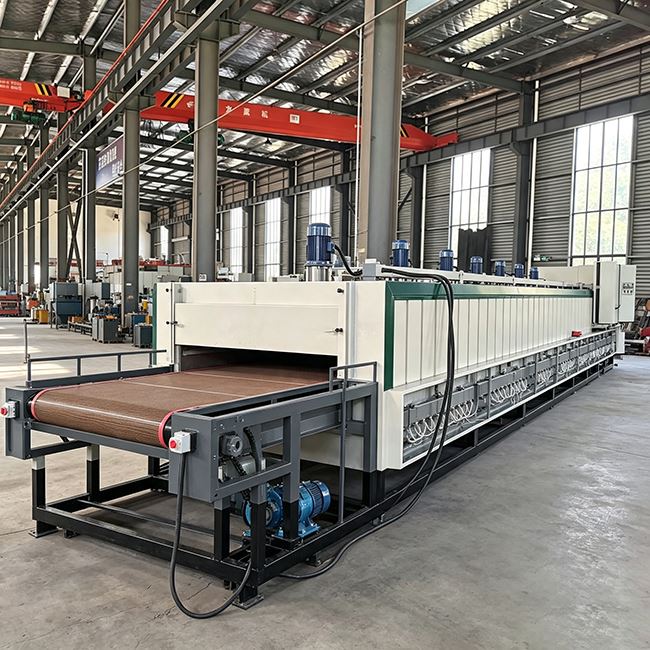
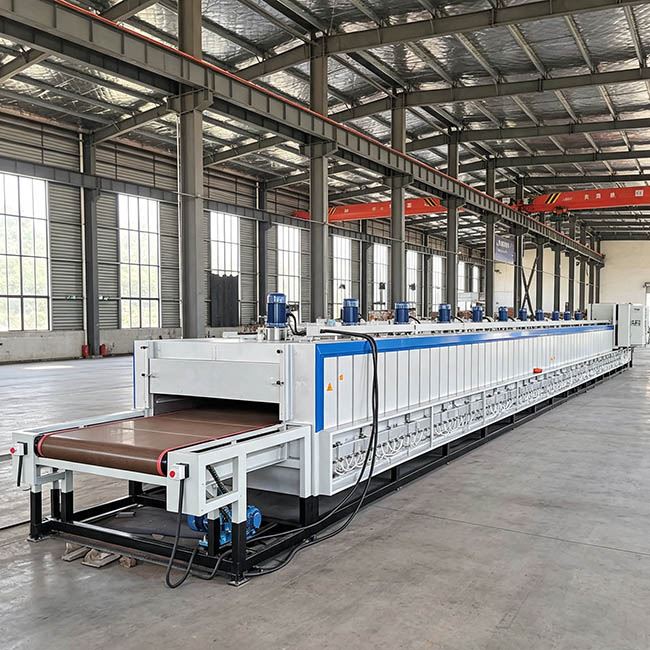
One of the primary advantages of natural gas drying ovens is their cost - effectiveness. Natural gas is generally more affordable than other energy sources such as electricity, especially for large - scale industrial operations. This cost advantage can lead to significant savings in energy expenses over the long term. Additionally, natural gas is a relatively clean - burning fuel compared to some other fossil fuels, which can help industries meet environmental regulations.
Industrial Applications of Natural Gas Drying Ovens
Food Processing Industry
In the food processing industry, natural gas drying ovens are widely used for drying fruits, vegetables, grains, and meat products. For example, when drying fruits, the oven can be set to a specific temperature and humidity level to ensure that the fruits are dried evenly without losing their nutritional value or flavor. The high - temperature capabilities of natural gas drying ovens can also help in quickly reducing the moisture content of food products, which is essential for extending their shelf life and preventing spoilage.
Pharmaceutical Industry
The pharmaceutical industry requires precise drying processes to ensure the quality and stability of drugs. Natural gas drying ovens can be used to dry pharmaceutical powders, granules, and tablets. The temperature can be accurately controlled to prevent over - drying or degradation of the active ingredients in the drugs. Since they can provide a consistent and high - intensity heat source, these ovens are ideal for large - scale production runs in pharmaceutical manufacturing plants.
Textile Industry
In the textile industry, natural gas drying ovens are used to dry fabrics after dyeing or finishing processes. The even distribution of heat in these ovens helps to ensure that the fabrics are dried uniformly, preventing shrinkage or color distortion. The high - speed drying capabilities of natural gas ovens can also increase the production efficiency of textile mills, allowing them to process more fabrics in a shorter period.
Chemical Industry
Chemical products often need to be dried to remove solvents or excess moisture. Natural gas drying ovens can handle a wide range of chemical materials, from basic chemicals to high - value specialty chemicals. Their ability to reach high temperatures quickly and maintain a stable heat environment makes them suitable for the drying requirements of various chemical processes.
Comparing with Other Industrial Ovens
Steam Cable Oven
A Steam Cable Oven uses steam as a heat transfer medium. While steam can provide a gentle and uniform heat source, it may not be as energy - efficient as natural gas in some cases. Natural gas drying ovens can generate heat more directly and may be more suitable for applications where high - intensity heat is required.
Mesh Belt Oven
The Mesh Belt Oven is designed for continuous processing of materials on a mesh belt. It can be powered by different energy sources, including natural gas. Natural gas - powered mesh belt ovens offer the advantage of cost - effective operation and high - temperature capabilities, making them a popular choice for industrial applications that require large - scale and continuous drying processes.
Wheel Curing Oven
The Wheel Curing Oven is mainly used for curing rubber or plastic products. Natural gas drying ovens can provide the necessary heat for the curing process. Compared to some electric - powered wheel curing ovens, natural gas ovens can offer lower operating costs and faster heating times, which can improve the overall productivity of the curing process.
Motorized Rotary Oven
A Motorized Rotary Oven rotates the materials during the drying process to ensure uniform heating. Natural gas - powered motorized rotary ovens can combine the benefits of rotary motion and cost - effective natural gas heating. This combination is particularly useful for applications where materials need to be dried evenly, such as in the production of certain ceramic or metal products.
Mesh Belt Drying Oven
The Mesh Belt Drying Oven is similar to the mesh belt oven but is specifically designed for drying applications. Natural gas - powered mesh belt drying ovens can offer high - speed drying and energy - efficient operation, making them suitable for industries that need to process a large volume of materials quickly, such as the agricultural and food processing industries.
Limitations and Considerations
While natural gas drying ovens have many advantages for industrial applications, there are also some limitations and considerations to keep in mind.
Safety
Natural gas is a combustible fuel, and proper safety measures must be in place when using natural gas drying ovens. This includes installing appropriate gas detection systems, ensuring proper ventilation, and regular maintenance of the burner and gas supply systems to prevent gas leaks and potential explosions.
Initial Investment
The initial cost of purchasing and installing a natural gas drying oven can be relatively high. This includes the cost of the oven itself, as well as any necessary gas infrastructure, such as piping and valves. However, the long - term energy savings can often offset this initial investment.
Environmental Regulations
Although natural gas is a relatively clean - burning fuel, industries still need to comply with environmental regulations regarding emissions. This may require the installation of additional pollution control equipment, such as catalytic converters, to reduce the release of pollutants such as nitrogen oxides.
Conclusion
In conclusion, natural gas drying ovens can be effectively used for a wide range of industrial applications. Their cost - effectiveness, high - temperature capabilities, and relatively clean - burning nature make them a popular choice for industries such as food processing, pharmaceuticals, textiles, and chemicals. While there are some limitations and considerations, proper planning and installation can help overcome these challenges.
If you are considering using natural gas drying ovens for your industrial operations, I encourage you to contact us for more information. We have a team of experts who can provide you with detailed product specifications, cost - benefit analyses, and installation guidance to ensure that you make the best choice for your business.
References
- "Industrial Oven Handbook" - A comprehensive guide on different types of industrial ovens and their applications.
- "Energy Efficiency in Industrial Heating Processes" - Research on the energy - related aspects of industrial ovens, including natural gas - powered ones.
- Industry reports from relevant sectors such as food processing, pharmaceuticals, and textiles, which discuss the use of natural gas drying ovens in their operations.