
Tunnel drying ovens are a staple in many industrial processes, offering continuous and efficient drying solutions. As a tunnel drying oven supplier, I've seen my fair share of issues that customers run into. Here, I'll go over some common problems with tunnel drying ovens and how to solve them.
Uneven Drying
One of the most common problems with tunnel drying ovens is uneven drying. This means that some parts of the product come out dry, while others are still damp. There are a few reasons why this might happen.
First off, airflow issues can be a major culprit. If the air isn't circulating properly inside the oven, some areas won't get enough hot air to dry effectively. To fix this, you need to check the fans and vents. Make sure the fans are working at the right speed and that the vents aren't blocked. Sometimes, dust and debris can build up in the vents, restricting airflow. Regular cleaning and maintenance of the fans and vents can prevent this problem.
Another reason for uneven drying could be the layout of the product inside the oven. If the product is stacked too tightly or placed in a way that blocks the airflow, it won't dry evenly. You should arrange the product in a way that allows air to flow around it freely. For example, use racks or trays with enough space between them.
Temperature Fluctuations
Temperature fluctuations are another headache for many users of tunnel drying ovens. A stable temperature is crucial for consistent drying results. If the temperature is too high, the product might get over - dried or damaged. If it's too low, the drying process will take longer, and the product might not dry properly.
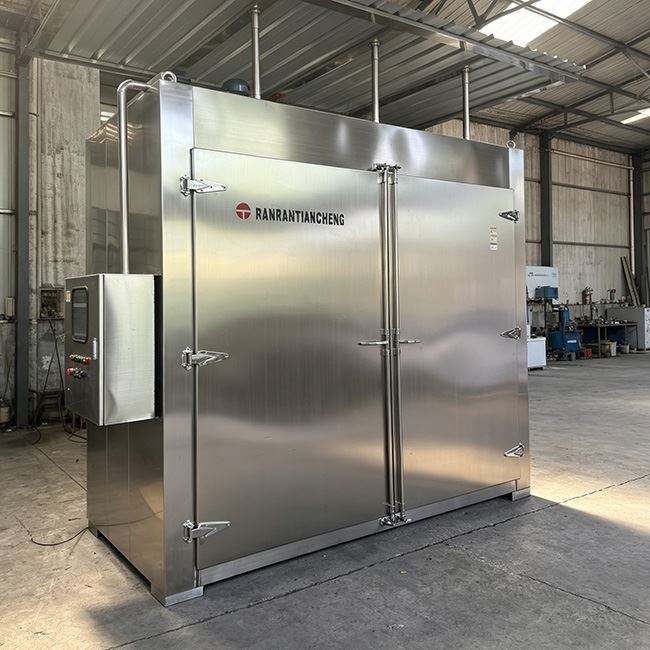
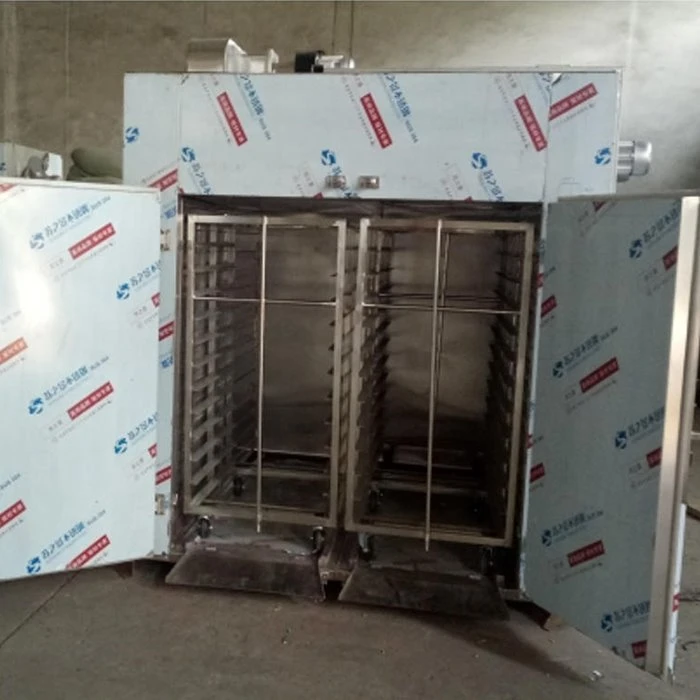
The thermostat is often the first thing to check when there are temperature fluctuations. It could be malfunctioning, giving incorrect readings or not controlling the heating elements properly. You'll need to test the thermostat and replace it if necessary.
Also, problems with the heating elements can cause temperature issues. Over time, heating elements can wear out or get damaged. Inspect them regularly for signs of damage, like breaks or discoloration. If you find a faulty heating element, replace it right away.
High Energy Consumption
High energy consumption is not only bad for your wallet but also for the environment. There are several factors that can contribute to excessive energy use in tunnel drying ovens.
Poor insulation is a big one. If the oven isn't well - insulated, a lot of heat will escape, and the oven will have to work harder to maintain the right temperature. Check the insulation of the oven walls and doors. If the insulation is old or damaged, replace it with high - quality insulation materials.
Inefficient heating systems can also lead to high energy consumption. Some older models might use outdated heating technologies that aren't as energy - efficient as newer ones. Consider upgrading to a more modern heating system, like the ones used in our latest Electric Drying Oven. These systems are designed to use less energy while still providing consistent heat.
Noise Issues
Noise from a tunnel drying oven can be a real nuisance, especially in a workspace. There are a few common sources of noise.
The fans are often the main culprits. If the fan blades are damaged or unbalanced, they can create a lot of noise. Check the fan blades for any signs of wear or damage. You might need to replace them or balance the fan to reduce the noise.
Another source of noise could be the motor. A worn - out motor can make a lot of noise as it runs. If you suspect the motor is the problem, have it checked by a professional. They can determine if it needs to be repaired or replaced.
Product Contamination
Product contamination is a serious issue, especially in industries where hygiene is crucial, like the food industry. There are a couple of ways this can happen in a tunnel drying oven.
First, dust and debris from the oven's internal components can fall onto the product. Regular cleaning of the oven, including the fans, vents, and heating elements, can prevent this. You should also use filters to trap dust and other particles from entering the oven.
Chemical contamination can also occur if the oven is used to dry different types of products without proper cleaning in between. For example, chemicals from one product could transfer to another. Make sure to clean the oven thoroughly between different drying processes. If possible, consider using separate ovens for different types of products.
Belt Problems
In tunnel drying ovens that use conveyor belts, belt problems are quite common. The belt might slip, stretch, or break, which can disrupt the drying process.
Belt slippage can be caused by a loose belt or a problem with the belt drive. Check the tension of the belt and adjust it if necessary. You might also need to check the belt drive system for any issues, like worn - out pulleys or a malfunctioning motor.
If the belt is stretching or breaking, it could be due to excessive wear and tear. Choose a high - quality belt that is designed to withstand the conditions inside the oven. Regularly inspect the belt for signs of wear and replace it before it breaks.
Solutions We Offer
As a tunnel drying oven supplier, we understand these problems well, and we've got solutions. Our ovens are designed with high - quality insulation to reduce energy consumption. We also use advanced airflow systems to ensure even drying. And we offer regular maintenance and support services to keep your oven running smoothly.
If you're facing any of these problems with your current tunnel drying oven, or if you're looking to invest in a new one, don't hesitate to reach out. We can provide you with the right advice and the best products for your needs. Whether you're in the food industry and need a Food Drying Oven or require a specialized Thermal Oil Oven for other industrial applications, we've got you covered.
We also have a range of other drying ovens, such as Double Cone Vacuum Dryer and Steam - heated Vacuum Oven, which might meet your specific requirements.
Contact us today to discuss your drying needs. Our team of experts will be happy to help you find the perfect solution for your business.
References
- Industrial Oven Handbook, various industry experts
- Drying Technology: Principles and Applications, Academic Press